
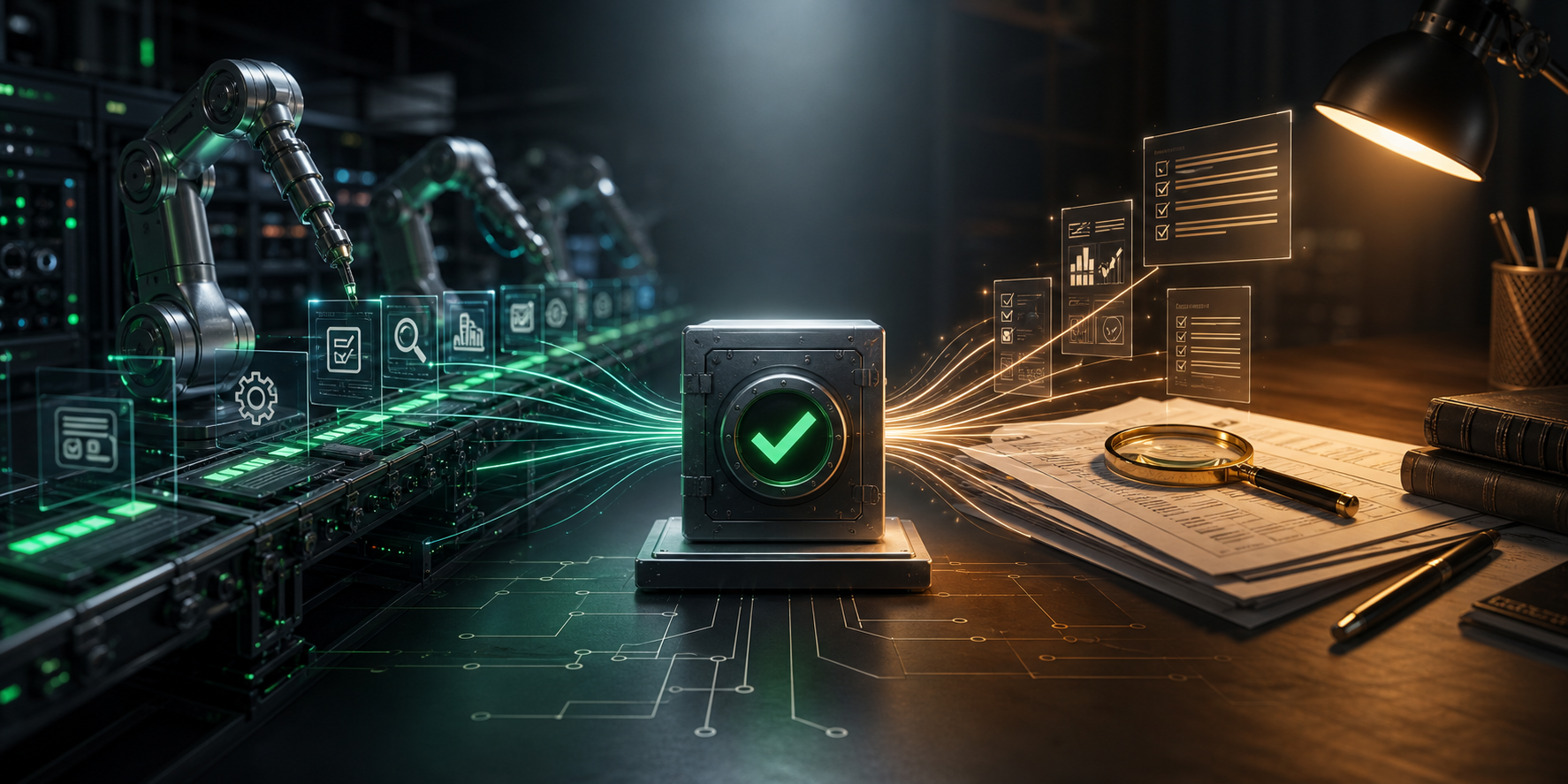
Firewall audit automation does not replace a good engineer. It removes repetitive inspection work so the engineer can spend more time on context, exceptions, priority, and safe change.
The mistake is treating automation and manual review as competing choices. They solve different parts of the problem.
Where automation is strongest
- Applying the same checks every time
- Finding missing or risky settings
- Reviewing broad, duplicate, or shadowed policies
- Checking logging, hardening, and object hygiene
- Comparing version and configuration conditions
- Producing repeatable findings and reports
Where human review is essential
- Understanding the business reason for access
- Judging operational impact
- Validating compensating controls
- Approving exceptions and risk acceptance
- Planning safe remediation
- Investigating unusual or incomplete evidence
A practical combined workflow
- Run automated checks against the current configuration.
- Prioritise the highest-risk and highest-confidence findings.
- Let engineers validate context and dependencies.
- Remediate through normal change control.
- Run the audit again to confirm the result.
- Schedule recurring checks where drift matters.
This approach gives you consistency without pretending that every firewall decision can be made by software.
Run a ConfigSentry audit and use the results as the starting point for engineering review, not the end of it.